

Limestone – a widespread stone with a timeless look
Limestone is a natural stone that people have always used. It is widespread, has an interesting history of formation and many uses. In this post we reveal what you did not yet know about limestone. Did you know, for example, that the famous pyramids of Giza are built of limestone?
How does limestone form?
Limestone is a sedimentary rock formed in clear, calm, warm and shallow seas. It consists mainly of calcite, the mineral calcium carbonate (CaCO3). Limestone forms in two ways:
- From living organisms in the sea: shellfish, corals, algae and others use CaCO3 from seawater for their shells and skeletons. When they die, the waves break up their remains and carry them to the seabed, where they are compacted over millions of years. The deposits and the pressure of the water turn into limestone.

Fossil in limestone
- Through evaporation: seawater rich in CaCO3 evaporates, leaving deposits behind. Under high pressure they are compressed into rock.
In Slovenia, limestone is the most widespread rock. It forms large parts of Dolenjska, Notranjska and Primorska as well as the high mountains of the Julian Alps and the Kamnik–Savinja Alps. In landscapes made up mainly of limestone (such as the Karst), karst features form: dolines, uvalas, intermittent lakes, swallow holes, karst caves and more.
Types of limestone
There are various types of limestone that differ in colour, texture and structure. Pure limestone is rare and snow white. White limestone is found on the Adriatic islands of Brač and Hvar. But admixtures such as clay, sand, organic remains or iron oxide often colour it, most commonly in shades of grey. Depending on how it formed, it is crystalline, clastic, granular or compact. Discover our varied limestone samples in the showroom. We are happy to advise you.
Caring for limestone
Care and regular treatment are very important with limestone, because it is porous, soft and chemically sensitive.
– Sealing: Limestone has small pores that must be sealed so that no liquid or dirt penetrates. Careful sealing during installation and regular resealing protect against stains, discolouration and dirt.
– Cleaning: Use special cleaning products and a soft cloth. Sponges or coarse products can damage the surface. Remove stains immediately so that nothing soaks in, especially acidic liquids.
– Removing scratches: Limestone scratches easily. On limestone worktops, use chopping boards and put sharp objects down carefully. Small scratches can be gently polished out with fine steel wool, while deeper ones need professional treatment.
Limestone: varied properties and uses
Limestone is a popular building materialbecause it is hard-wearing and resistant. It is slip-resistant and heat-resistant. It is used for road bases, buildings, paving, landscaping and for making lime. Do you know the world-famous building made mostly of limestone? Take a look at the gallery below!


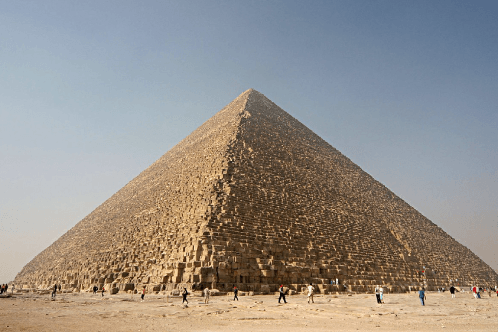


Quarrying and working limestone is relatively easy. It is readily available and can easily be cut into blocks or finely carved. Limestone is robust and resistant to damp climates, but sensitive to acids. Outdoors, acid rain and erosion can wear away fine details. It is used in modern and traditional architecture, in residential as well as commercial buildings.


Limestone is not only a building material but also a decorative material. It is popular in architecture because it complements and emphasises the design of buildings and looks elegant and timeless. It is suitable as decorative wall cladding, as a column that brings dynamism to a room, or as a fireplace surround that gives the living area atmosphere. The possibilities are varied.
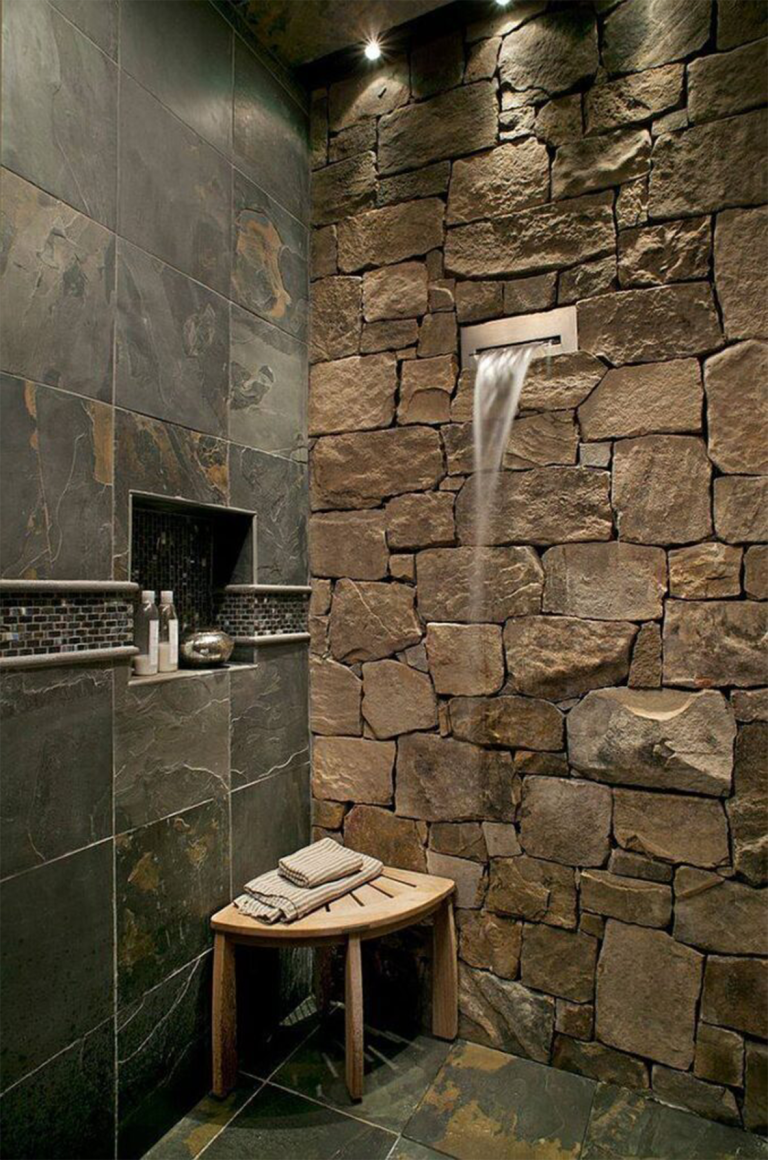

Bring nature into your home and choose limestone. The experienced Marnit team will take your wishes into account and find the right solution for installing this elegant stone.
Stonemasons Marnit – with over 100 years of tradition.