

Sandstone – a natural stone that enhances any home
Sandstone blends beautifully into nature and stands out for its high strength, durability and weather resistance. In this post we show what properties it has, how it forms and where the many sandstone patterns are used.
Properties of sandstone
Sandstone consists of fine grains of sand bound together by a carbonate, siliceous, clayey or iron-bearing binder. It forms when sand is deposited in layers, in water (for example in river courses, lakes or seas) or by wind (for example in deserts). The layers consolidate under pressure and are cemented by minerals that fill the pores between the grains. That is why sandstone is a sedimentary rock, or more precisely a consolidated deposit.

Sandstone is very resistant and can cope with any weather, which makes it especially suitable for outdoor use. Because it is easy to work, it is often used in building and paving. Sandstone is porous. As it holds a lot of water, sandstone layers are often water-bearing.
Types of sandstone
Because of the way it forms, the surface of sandstone is often layered and contains fossils. Its mineral composition reveals the rocks it came from. There are several types of sandstone that differ in colour and hardness. The variety of patterns depends on grain size, iron oxidation and organic content. Shades of brown, yellow, red, grey, pink, white and black are the most common.
At Marnit you will find a wide choice of sandstone samples, among which there is sure to be one that suits your home.
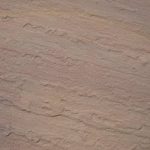
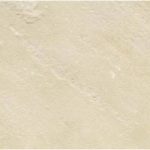
Sandstone // Beige, red

Sandstone // Grey, brown

Sandstone // Beige, brown
Caring for sandstone
Caring for sandstone is not much work, but it is more sensitive than granite or limestone, for example. A brush and warm water are enough for regular cleaning. Remove stubborn stains with special cleaners for this stone.
Uses of sandstone
Sandstone is a versatile natural stone. Its resistance, long service life, easy working and many patterns make it popular in modern design too. Today architects use this timeless stone in residential and commercial spaces and their surroundings. Sandstone enhances any building and is very practical.
How can sandstone be used? Here are some examples for inspiration.
#1 Wandverkleidungen
wall cladding made of sandstone are very popular in modern architecture. They stand out for their resilience, strength and beautiful patterns. Sandstone gives walls warmth and character and connects them with their surroundings. Over time the stone changes texture and shade, which makes every wall unique.

#2 Bodenbeläge und Stiegen
Sandstone slabs are an excellent flooring for outdoors and indoors and are also ideal for stairs. An entrance with beautiful steps made of sandstone completes the exterior of many buildings. Beautiful and practical: sandstone floors and stairs are a strong combination. They are reminiscent of a walk on the beach or in nature and convey freedom and joy. The wide choice of patterns meets even demanding wishes.

#3 Poolabdeckung
Sandstone is excellent for pool copings and surrounds. Thanks to its versatility, the properties of the material and the chosen finish can be combined into a unique design that every swimmer will remember.
Would you like to bring nature into your home and enhance it? Choose timeless sandstone. The expert Marnit team will help you bring your idea to lifeand find an innovative, unique solution for this beautiful stone.
Stonemasons Marnit – with over 100 years of tradition.