

Porphyry – for modern and rustic architecture
Porphyry exudes elegance and prestige. Even the ancient Romans valued this noble stone, and today it is an excellent choice for both modern and rustic architecture. In this post we show what porphyry is, how it forms and where it is used!
Where does porphyry come from?
Porphyry is the collective term for igneous rocks with a high proportion of orthoclase and coloured minerals and a porphyritic structure, and it is also short for quartz porphyry or orthophyre. Most often it refers to the purplish-red rock prized for its appearance.
The word “porphyry” comes from the ancient Greek πορφύρα (porphyra), meaning “purple”. Imperial porphyry was regarded by the Romans as a symbol of the highest prestige and royal dignity. It was often used for columns, statues, floors and official buildings, and for paving roads and squares. In the late Roman Empire it was expressly reserved for the imperial house, as the rarity of the stone set the emperors apart from their subjects.
Later the name was applied to all igneous rocks with large crystals. Today porphyry refers to a particular texture of igneous rock, regardless of its chemical and mineralogical composition. Its hallmark is the difference in size between the fine crystals of the groundmass and the much larger phenocrysts.
Porphyry in history
Porphyry is a natural stone with a rich history. It was used in Roman, Babylonian and Egyptian architecture. In the gallery below you can see some remarkable sculptures and buildings made of porphyry from different eras!
Types of porphyry
Porphyry is a strong, resistant stone in shades of grey, green, reddish brown and violet. It consists of many granular crystals in a fine-grained groundmass. Thanks to its colour structure and various formats and finishes (flamed, polished, semi-polished), porphyry is very versatile. Take a look at which porphyry samples are available in our showroom.


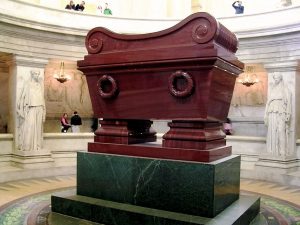


Porphyry // Grey
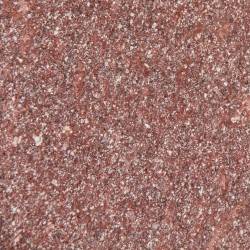
Porphyry // Red, brown
Where is porphyry used?
Porphyry is a fixture in the design of urban spaces in large projects and a beautiful solution in private homes. Thanks to its resilience, durability and slip-resistant surface, it is suitable for outdoor use, but it also looks good indoors.


As a noble stone, porphyry enhances any home and makes innovative architecture possible. The possibilities are varied. It is most often used outdoors for wall cladding, for paving indoors and outdoors and for Stairs . It goes perfectly with other materials.
Thanks to its natural roughness and abrasion resistance, it is ideal for areas with heavy foot and vehicle traffic. That is why squares, public spaces and streets are often paved with it. Around prestigious public buildings in many European cities, it creates a beautiful atmosphere.
Indoors or out, porphyry allows individual, made-to-measure design. Classic patterns and new creative ideas combine into a harmonious solution with traditional prestige and practical resilience.

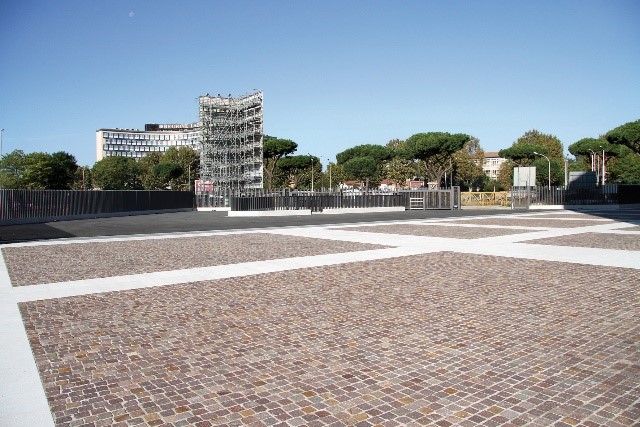
Choose porphyry, which stands out for its durability and resistance, and bring prestige and elegance into your home!
Stonemasons Marnit – with over 100 years of tradition.