

The Egyptian pyramids, the mighty Greek and Roman temples, the Great Wall of China, the Colosseum and many other impressive buildings made of Natural stone still stand today. They prove how durable, beautiful and resilient natural stone is.
The stone gives them their majesty. It has survived the centuries and so carried our cultural heritage down to the present day.
Natural stone: the oldest building material in the world
Natural stone has always been one of the most important building materials, because people recognised its advantages early on: strength, resistance and beauty.
Long ago it was considered too precious for ordinary houses. It was used only for temples, palaces and the houses of the very rich.
Today it is easier to quarry and simpler to work, which is why it also finds a place in our flats and houses.
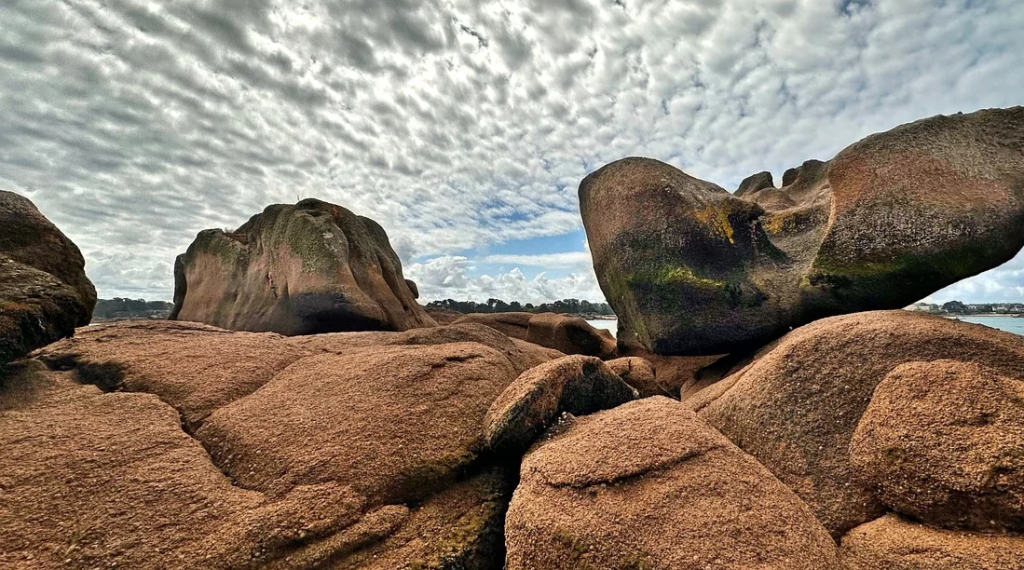
The history and culture of natural stone
Natural stone has a long, rich history closely linked to the development of human civilisation.
It has been used for thousands of years: first for tools and weapons, and then, as civilisation developed, in ever more varied ways, from building material to work of art (as decorative stone). Nothing has changed to this day.
Natural stone buildings show not only its durability but also its beauty.
In art, stone is one of sculptors’ favourite materials. It is also found in mosaics, frescoes and other decorative art, because its natural variety opens up artistic freedom.
Natural stone also has symbolic value: it stands for eternity and stability, for closeness to nature and, in some religions, for spirituality.
Inspiration from the past
Natural stone is the main building material of many breathtaking architectural masterpieces:
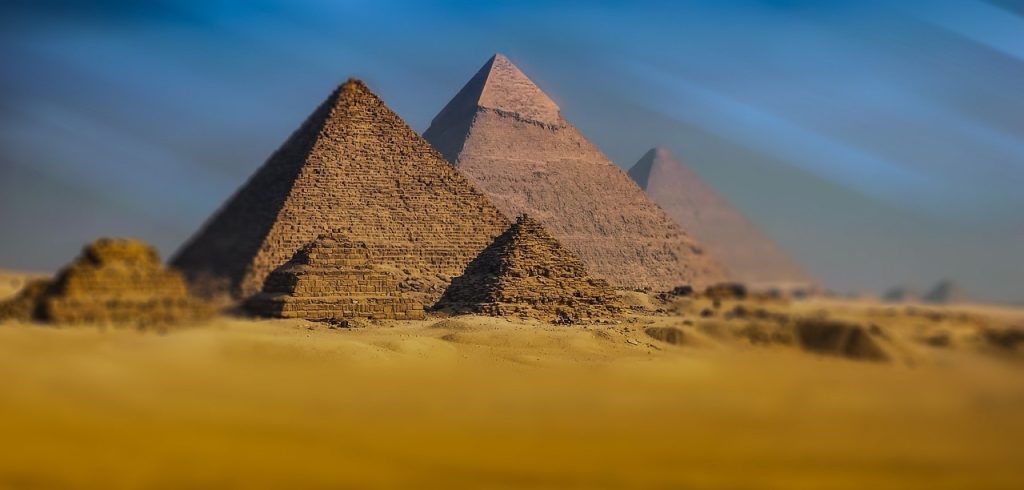
- The Egyptian pyramids – their core is made of limestone, and the interiors of Granite.
- Ancient Rome – the Colosseum and St Peter’s Basilica in the Vatican are built of Travertine , which serves as Decorative stone and at the same time gives the building strength.
- The Taj Mahal in India – the entire mausoleum is clad in white Marble , which stands for timelessness and holiness. Semi-precious stones were used for the floral inlays, and the surroundings and courtyard are made of Sandstone.
- The Great Wall of China – a large part of this monument is built of natural stone. This was mainly because stone was the most readily available material in the area. It also offers strength and weather resistance, which are crucial for such a structure.
- Machu Picchu in Peru – this magnificent masterpiece consists largely of local grey granite.
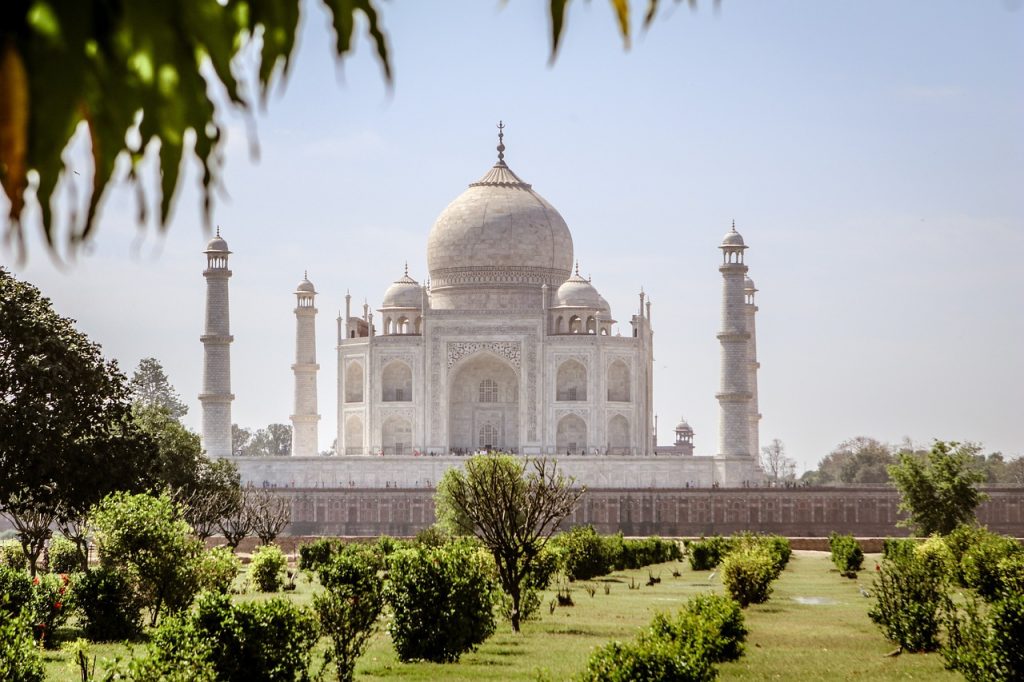
Do you know which stone monument is the oldest?
The Pyramid of Khufu was built around 2,500 years BC. The mighty pyramid, once clad in white Limestone , still shines in the desert sun today.
It is the first structure built entirely of natural stone, from huge blocks of limestone and granite.
Natural stone has a rich historical and cultural value. It is not only a practical building material but also an important window onto the history and culture of humanity.
The historic natural stone buildings still stand today and prove its durability and resilience.
And we can probably all agree: no other material comes close to the beauty of natural stone.