

Natural stone is without doubt the most elegant solution when you are looking for harmony with other materials and a beautiful look.
It also has a quality no artificial material has: it brings nature and cosiness into the room.
But natural stone is not only beautiful, warm and elegant, it is also very functional and versatile.
The design possibilities are unlimited, and it can also have a noticeable effect on your quality of life.
Sound in the room
Did you know that sound in a room is an important factor that strongly affects us?
It is crucial for a pleasant and functional living space.
If a room where we spend a lot of time has good acoustics, this has a positive effect on well-being and health: physical, psychological, mental and behavioural.
A room with good acoustics can promote the release of certain hormones and have a positive effect on heart rhythm and breathing.
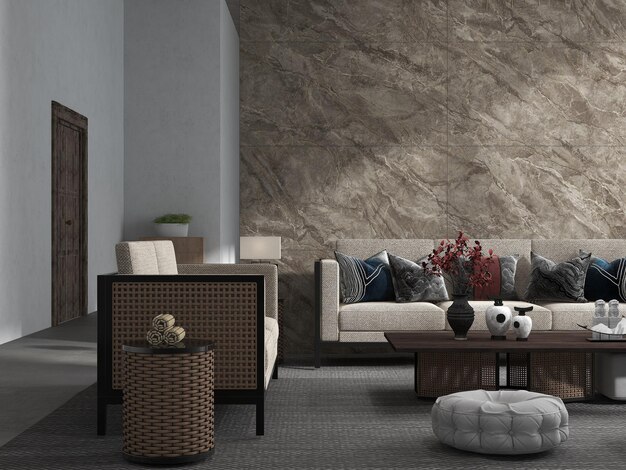
Natural stone and room acoustics
Natural stone has many advantages over artificial materials. One of them is excellent sound insulation.
Thanks to its properties, it improves acoustic comfort and dampens noise from outside very well.
Its acoustic properties affect the reflection, absorption and diffusion of sound in the room.
As natural stone is hard, dense and usually smooth, it absorbs only a little sound.
So most of the sound is reflected at the stone surface. This has some important consequences:
- In rooms with a lot of natural stone, especially Granite, more sound is reflected. Sound carries further and is bounced back several times, and the reverberation is longer. The sound is full and rich, which is particularly welcome in rooms for music or speeches.
- Unworked natural stone and rough-finished or split surfaces diffuse sound waves and so reduce harsh echoes.

What effect does this have in the room?
- Sound usually carries longer and dies away more slowly.
- Speech and music reverberate longer.
- With large stone surfaces on walls or floors and no sound-absorbing materials such as rugs or curtains, speech is harder to understand.
- So plan the room acoustics carefully. To make a room with natural stone sound pleasant, add rugs and upholstered furniture and use wood or acoustic panels on the walls or ceiling.
Did you know?
The famous arena in Pula is also built entirely of natural stone, so-called Istrian Limestone. It combines architectural beauty with a special atmosphere.
Natural stone reflects sound, which is actually unfavourable for concerts and speeches. The Romans did not yet have acoustic elements like we do today, so they relied on architectural solutions that ensure excellent acoustics: the oval shape, the open roof, tiered seating and surrounding walls with arches.

Natural stone strongly influences room acoustics, because its density and hardness mean it mostly reflects sound.
Combined deliberately with suitable materials, it is the key to good room acoustics.
Complement a room with a lot of stone with wood, furniture, curtains and rugs. That way you achieve the right balance between looks and acoustic comfort.