

3 min read

 Granite is one of the best-known igneous rocks. It formed when magma rose through fissures towards the earth’s surface. Under high pressure the minerals crystallised, hence its typical crystalline structure.\n\nGranite has a much more varied colour palette, from light grey to black, as well as red and green. You can recognise it by its grainy, crystalline appearance.

 Marble, on the other hand, is softer and therefore easier to work. It is mostly used indoors, for steps, wall cladding, fireplace surrounds, window sills and floors.\n\nIn the right thickness, marble is also suitable for outdoor use. As it consists of natural minerals, it releases no toxins or chemical residues. It is antibacterial, and harmful bacteria do not spread on it.
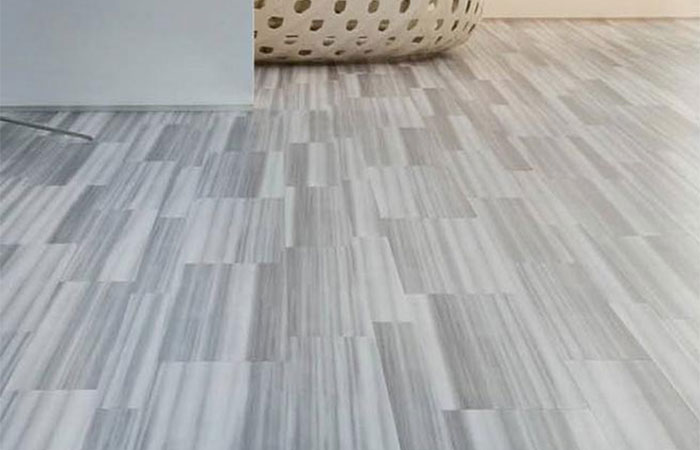
Marble or granite? Which should you choose?
Marble or granite? Both are among the most widely used natural stones. Used thoughtfully, they find a place in many corners of your home and bring nature and elegance into it. What do marble and granite have in common, and how do they differ?First, a few words about natural stone
Natural stone usually comes into play in the final phase of construction or when furnishing a home or business. Many people choose rustic stone for facades or interior walls, marble or granite for steps and for floors indoors and outdoors, and granite for the kitchen worktop. The possibilities are numerous.\n\nThe graphic below shows what to look for when choosing between marble and granite. Which property matters most to you?
Origin and appearance of marble and granite
First, how the two rocks formed. Marble is a metamorphic rock. It formed through the recrystallisation of limestone or dolomite under high pressure and high temperatures deep beneath the earth’s surface.\n\nBecause it consists of smaller and larger colourless grains, it shimmers. It is usually light, from white and light grey to beige. There are exceptions when it contains haematite, which gives it a reddish tone.
Granite is one of the best-known igneous rocks. It formed when magma rose through fissures towards the earth’s surface. Under high pressure the minerals crystallised, hence its typical crystalline structure.\n\nGranite has a much more varied colour palette, from light grey to black, as well as red and green. You can recognise it by its grainy, crystalline appearance.
Properties of marble and granite
Granite is extremely strong because of the way it formed. It withstands any weather and is not very sensitive to temperature changes or chemical and mechanical damage. That is why it is used mainly in construction and outdoors.\n\nTo illustrate: granite setts were often used to pave roads, and in some places still are. Granite is also found in memorials, outdoor floors, steps, window sills and kitchen worktops.\n\nIn short, granite is used where surfaces are exposed to wind and weather, heavily used or at risk of mechanical damage.
Marble, on the other hand, is softer and therefore easier to work. It is mostly used indoors, for steps, wall cladding, fireplace surrounds, window sills and floors.\n\nIn the right thickness, marble is also suitable for outdoor use. As it consists of natural minerals, it releases no toxins or chemical residues. It is antibacterial, and harmful bacteria do not spread on it.